Hey,
I just finished my 61-day monk mode challenge five days ago, well, technically it turned into 65 days, but who's counting?
I started this journey on September 2nd, two months ago, and honestly, it changed everything about how I approach work and life.
Now, when you hear "monk mode," I know exactly what pops into your head: locking yourself in a dark room, wearing black hoodies, watching arc season and Iman Ghadzi videos, those YouTube thumbnails screaming "Two months will change your life!"
That's not what I did at all.
Let me rename this whole thing for you: The "No Matter What, It Will Be Done" Challenge.
Here's the concept: Every single day, I had a list of tasks and habits that I committed to finishing, no matter what.
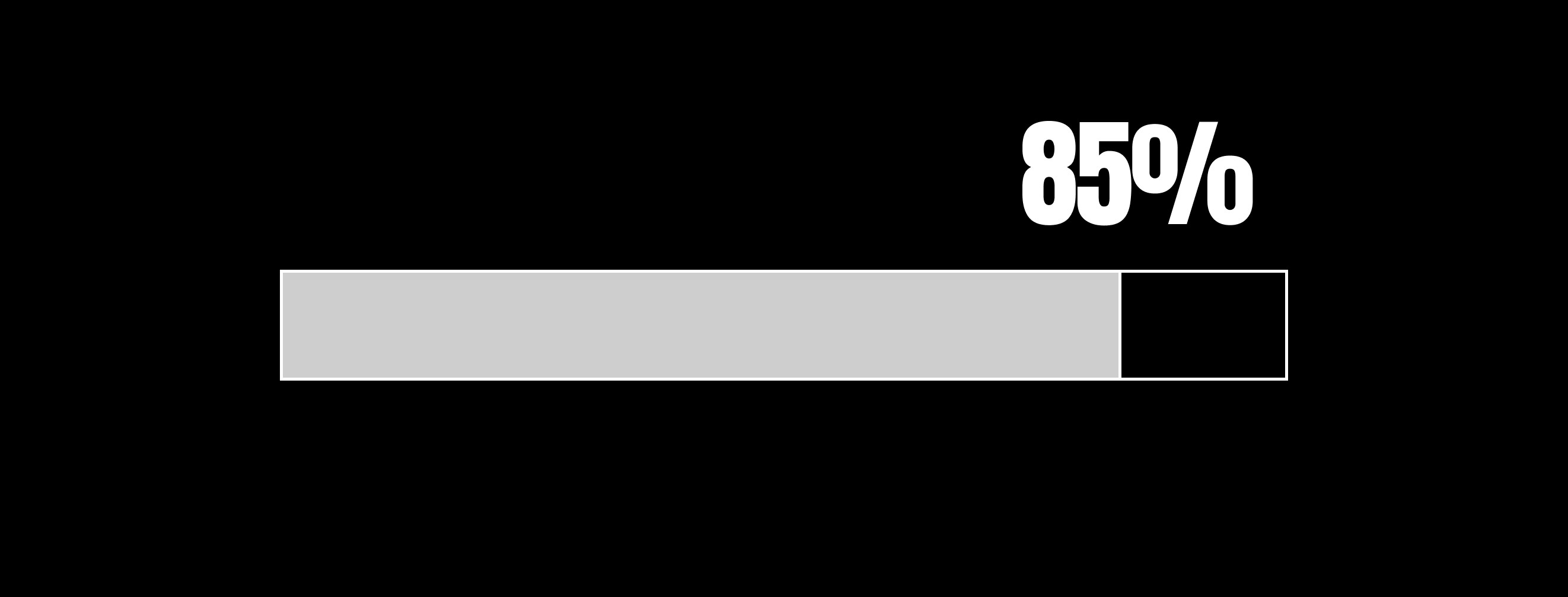
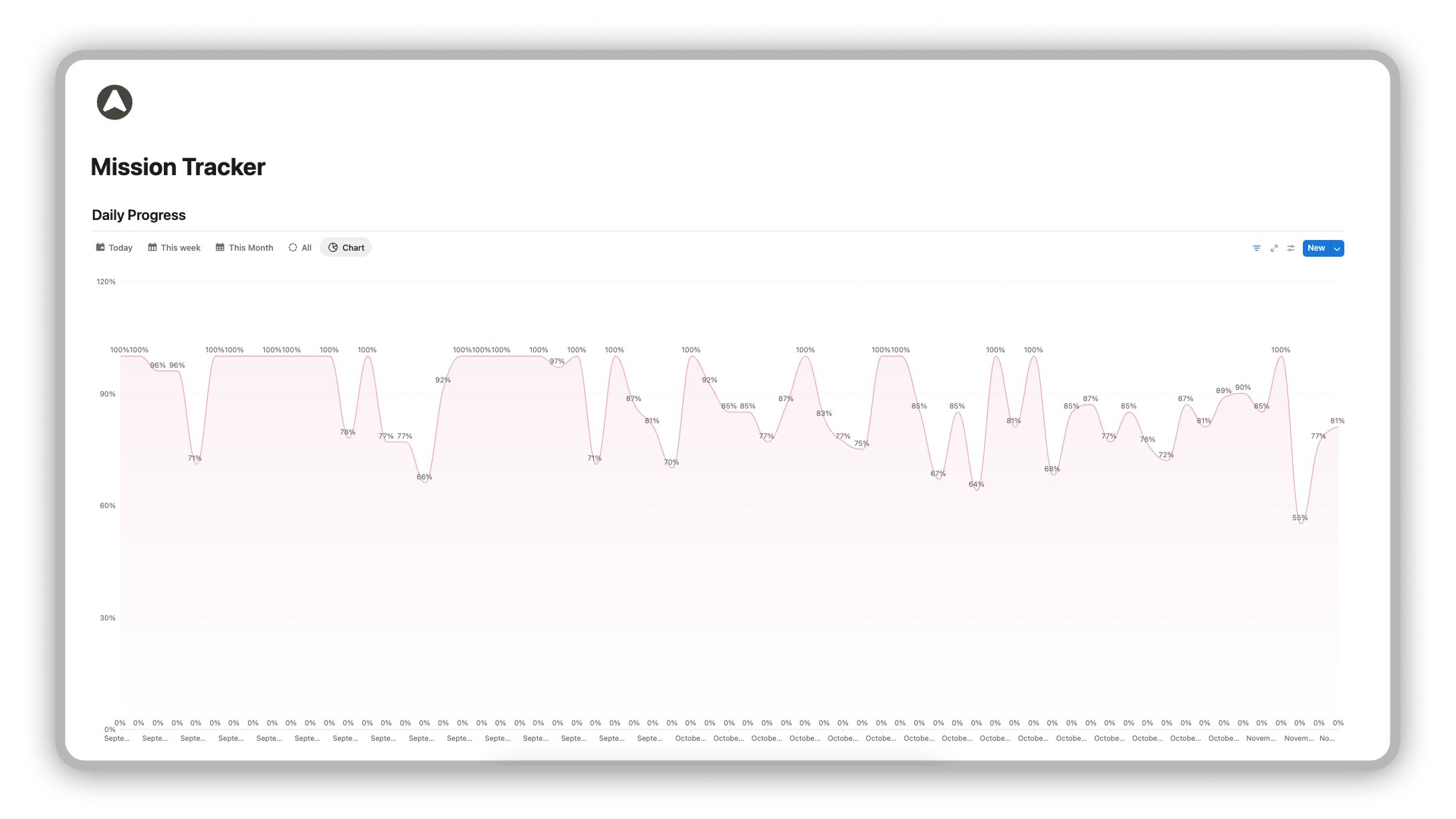
My average daily progress throughout this period was 85%—tracked across completed tasks, maintained habits, and avoided bad habits.
I finished 95% of the entire challenge, missing only one project: improving my English through reading four books.
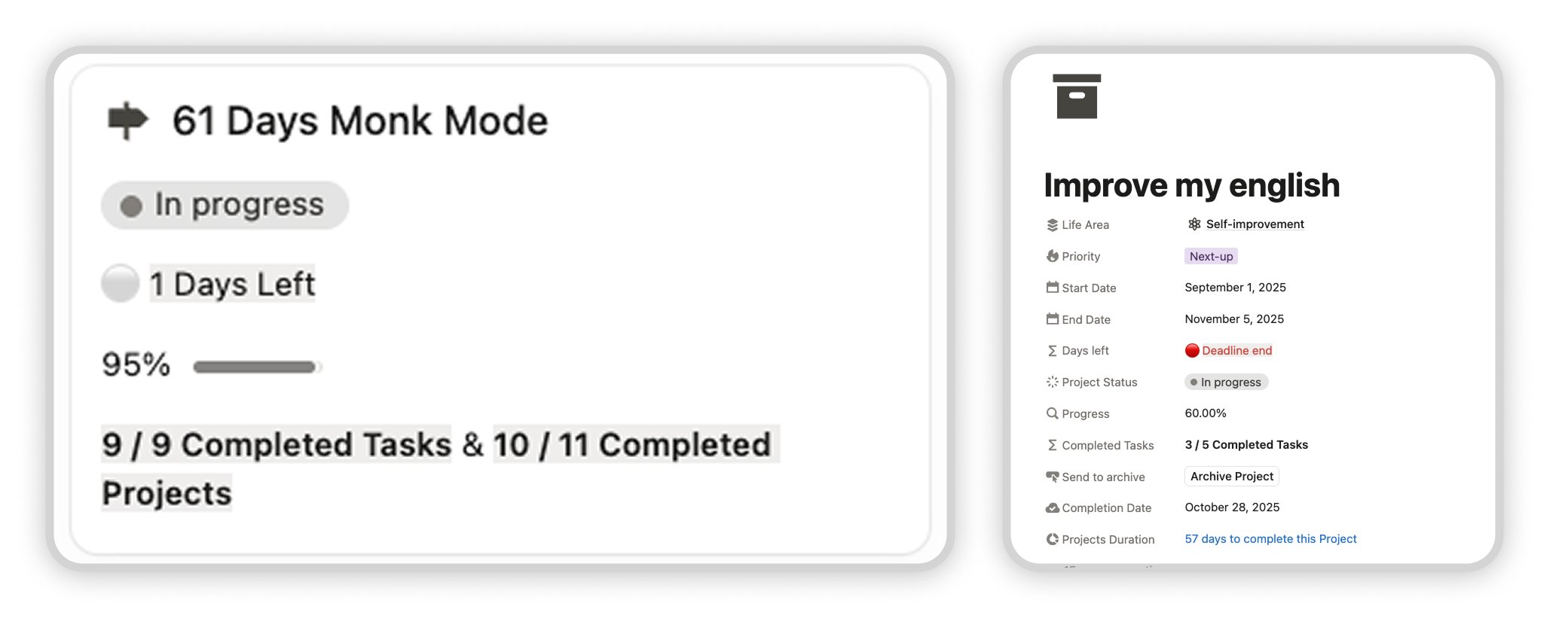
And yeah, I was stupid about this—I got overexcited and chose massive books like Norrell and Jonathan Strange (over 800 pages) instead of starting with something manageable.
I've only finished one so far: re-reading Ali Abdaal's Feel Good Productivity.
But beyond my tracked projects, I worked on extra projects that consumed significant time: redesigning my entire website in a week, managing communities, publishing YouTube videos, posting daily on X and Pinterest, writing articles and newsletters, constantly improving my productivity systems.
Every day included 2.5 hours at the gym, which carved a huge chunk out of my schedule.
And you know what?
It was incredible.
My goal was never 100% completion, just 85-90%, and I'm fucking proud of what I accomplished.
But here's what surprised me most: 94% of people quit self-imposed challenges by day 18.
I tracked my own data, and I discovered something fascinating—I was 300% more productive working from different locations than staying home.
That's not motivation talk.
That's measured reality.
Here's the thing about most monk mode challenges: they're extreme, exhausting, burnout-inducing.
People feel tired, drained, ready to quit halfway through.
I could go another 30 days right now without hesitation.
Why?
Because I discovered what I call The Flex-Commit System: commit daily, flex weekly.
For the first 31 days, I didn't even work from home, I traveled to Marrakech and worked from there.
I didn't play tourist or visit attractions; I simply changed my environment, which gave me incredible energy and motivation.
Working from coffee shops, working on trains, constantly shifting locations kept things fresh.
The background noise of people talking, coffee machines brewing, the smell of fresh pastries, it all contributed to this creative energy I couldn't replicate at home.
Other days, I'd work from the train, watching the Moroccan landscape pass by while knocking out tasks one by one.
This is what I call The 3-Location Rule: Work from at least 3 different locations per week.
Home is one.
A café is two.
A train, a library, a co-working space, a park—pick your third.
This rule alone increased my output by 300%.
Tracking my progress and working on projects one by one instead of juggling everything simultaneously helped me avoid burnout completely.
I genuinely enjoyed the experience, finishing one project gave me such a rush of accomplishment that it boosted my energy for the next one.
Like when I finally completed the website redesign after seven straight days of work, I felt this euphoria, that addictive rush of momentum that pushed me immediately into the next project.
That momentum is real, and it's addictive in the best way possible.
Things happened outside my control, deadlines needed adjusting, tasks shifted around.
You need to be flexible, but the key is never stop moving forward.
There was this one day where I had planned to record three YouTube videos, but my microphone completely stopped working.
Instead of giving up, I pivoted to newsletter drafts and rescheduled the videos.
Flexibility doesn't mean giving up; it means adapting without losing momentum.
I also need to thank myself for building Second Brain 6.0 (and very soon, 7.0), a productivity system that talks to me and gamifies the challenge.
Without this tracking system, I would have lost track of my progress and probably given up when things got hard.
Visual accountability changed everything.
If there's one thing this experience taught me, it's this: Take it easy, seriously.
I approached tasks almost playfully—I don't know why, but it worked.
At the same time, I maintained speed, focus, and intensity.
Playful doesn't mean lazy.
It means removing the heaviness that makes work feel like suffering.
I drank probably 5 gallons of tea during this period, Moroccan mint tea became my secret weapon, that warm ritual signaling to my brain it was time to execute.
That warm cup in my hands became associated with productivity, with progress, with getting things done.
Small rituals compound into massive results.
Every time I returned from a walk, I felt fucking energized and ready to crush the next task.
I'd put on my headphones, walk for 20-30 minutes, just moving, breathing, letting my mind wander.
Ideas would come to me, solutions to problems I'd been stuck on, new angles for content, better ways to structure projects.
I'd come back, immediately open my laptop, and everything would flow so much easier.
Movement unlocks mental clarity.
Sitting blocks it.
If things aren't going your way, don't force it, flow with it.
There were moments when I felt stuck, frustrated, like nothing was working the way I wanted.
Instead of pushing harder, I'd switch to a different task, something easier that would give me a quick win to rebuild momentum.
Sometimes that meant responding to customer messages, sometimes organizing my workspace, sometimes just journaling about why I felt stuck.
Those small redirections kept me in the game instead of spiraling into frustration.
I really encourage you to try a 61-day challenge, it passes incredibly quickly, trust me.
One thing I need to mention: I don't use my phone.
If you've been following me, you know it's been almost a year now, 10 months to be precise, without regular phone usage.
That definitely helped me avoid distractions, though I'll admit I'm slightly addicted to YouTube.
During this period, I tracked my time on the platform and actively worked to reduce it.
I set a rule: No YouTube before completing at least three major tasks.
It worked most days, some days I slipped, but the awareness alone helped me cut my usage significantly.
Honestly, I didn't imagine I could accomplish this much in such a short time: redesigning my entire website, managing communities, publishing videos, posting daily across multiple platforms, writing newsletters, it was amazing.
If someone had shown me this list on September 1st and said "you'll finish all of this," I would have laughed.
But breaking it down day by day, task by task, it became inevitable.
Consistency beats intensity.
85% daily beats 100% for three days then quitting.
If you're ready to start your own challenge, here's my advice: Don't lock yourself away.
Seriously, that's counterproductive unless you genuinely enjoy isolation.
Don't even call it "monk mode", call it something that resonates with you.
Make it your challenge, not someone else's aesthetic.
Enjoy the process.
If you're miserable, you won't sustain it.
This isn't about suffering for 61 days, it's about building a lifestyle that you actually want to continue after the challenge ends.
Finish what you commit to finishing each day, no excuses, unless something genuinely outside your control happens.
I made a rule: If I said I'd do it, it gets done before I sleep.
Even if that meant working until 2 AM some nights.
Self-trust is the ultimate productivity hack.
If you've never done a challenge like this before, start with 21 days.
If you feel strong at day 21, extend to 42 days.
If you're still going strong, push to 61 days.
Time passes quickly; just make sure you plan properly and have a clear overview of what you're working toward.
Write everything down before you start.
I spent two days before September 2nd planning out the big projects I wanted to complete, the habits I wanted to build, the systems I wanted to improve.
That roadmap was everything—it meant I never woke up wondering "what should I work on today?"
I always knew exactly what needed to happen.
If you want to gamify this process and track everything effectively, Second Brain 6.0 is the only tool you'll need to get your life together — Without visual tracking, challenges die — With it, they become addicted.
This challenge isn't about perfection; it's about consistent progress.
It's about proving to yourself that you're capable of more than you think.
It's about building momentum that carries you forward long after the challenge ends.
I'm still going, by the way, I haven't taken a day off yet, and honestly, I don't plan to anytime soon.
The challenge officially ended, but the habits stuck.
The systems are still running.
The momentum is still building.
That's the real victory, not finishing the 61 days, but becoming someone who doesn't need the challenge to stay consistent.
If I can do this, you absolutely can too.
Start today.
Start small if you need to.
Just start.
And if you're serious about actually completing your challenge instead of quitting by day 18 like 94% of people, Second Brain 6.0 is exactly what you need.
This isn't just a template.
It's the exact system that kept me going for 65 days straight.
The same dashboard that showed me my 85% daily average.
The same tracking that made me 300% more productive.
👉 Start Your Challenge With Second Brain 6.0 🧠
Thanks for reading.
See you soon, buddy.
Osama (OLS)
P.S. - If you're starting a challenge this month, this is your accountability system. Don't wing it, track it, visualize it, gamify it. That's how you actually finish.